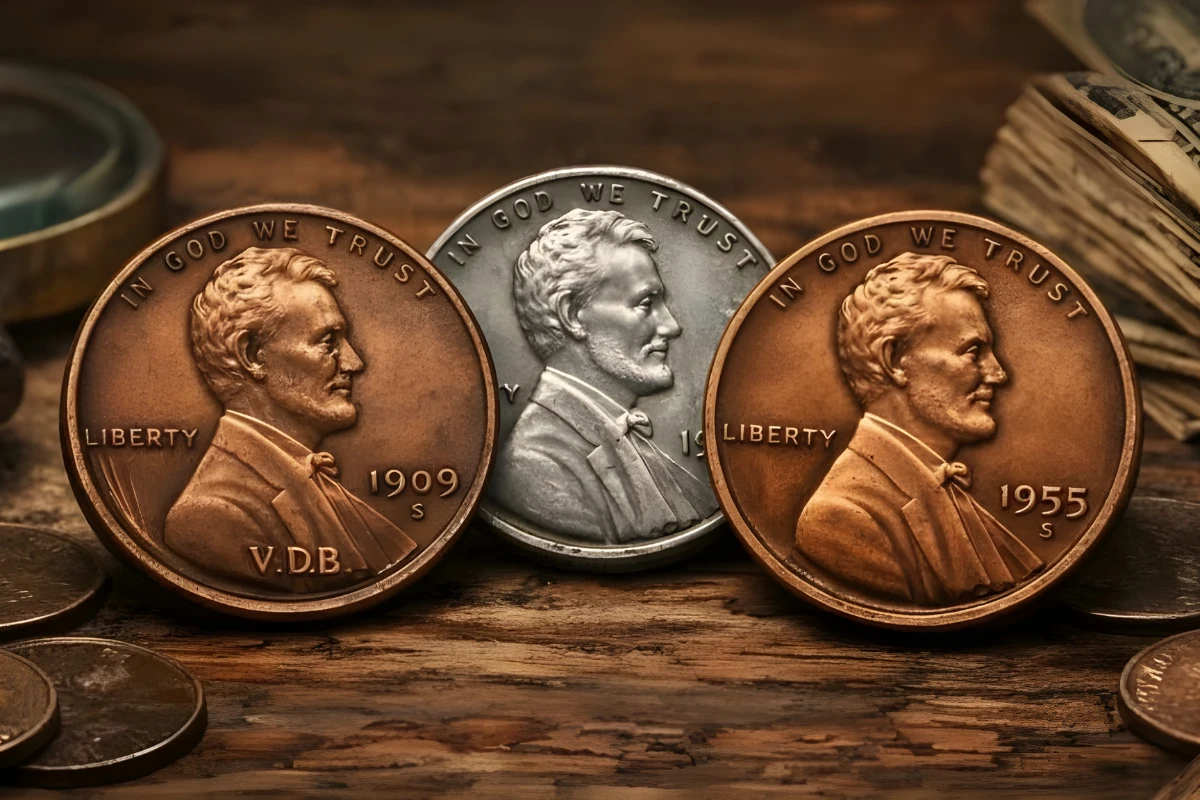
Wheat pennies, minted between 1909 and 1958, have long attracted the attention of both coin collectors and investors. These small copper coins possess historical significance that far exceeds their one-cent face value. Over the past ten years, the market for wheat pennies has changed in many interesting ways, driven by collector demand and economic conditions. Understanding these value changes helps both new and experienced collectors make better decisions about their collections.
Common Date Value
A decade ago, common date wheat pennies in average circulated condition typically sold for three to five cents. Today, these same coins often sell for eight to fifteen cents, reflecting growing collector interest and inflation. High-grade examples of common dates have seen even greater appreciation, sometimes doubling in value on major auction platforms. The rising price of copper has also contributed to the price increases for nearly all wheat penny varieties.
Special Date Coins
Special-date wheat coins, such as the 1909-S VDB and 1914-D, were valuable just ten years ago, but their value has increased significantly since then. A decade ago, a 1909-S VDB in good condition was worth around eight hundred dollars and now regularly sells for over twelve hundred dollars. The 1914-D has done the same, with the market value of mid-grade coins increasing by several hundred dollars. Collectors purchasing complete sets have increased demand for these rare coins, driving prices steadily upward.
Condition and Grading
The condition of a coin plays a much more important role in determining value today than it did even ten years ago. Grading standards implemented by services like PCGS and NGC have become marketplace benchmarks, and slabbed coins command substantial premiums. A Wheat coin graded MS-65 can be worth ten to twenty times more than the same coin in circulated condition. Today, buyers are much more knowledgeable about grading, making it difficult to sell raw, ungraded coins at premium prices.
Mint Mark Differences
Mint marks have always impacted the value of wheat pennies, but the difference between the Philadelphia, Denver, and San Francisco issues has widened significantly. San Francisco-made wheat pennies, especially those from the 1920s and 1930s, have outpaced Philadelphia pennies in percentage gains over the past ten years. Denver issues occupy a middle ground, with steady but less dramatic increases across most dates. Collectors creating registry sets have further increased this mint mark premium as competition for top-grade examples has intensified.
Investment vs. Collecting
Ten years ago, most wheat pennies were hobbyists motivated by history and nostalgia rather than financial returns. Today, a growing group of buyers view wheat pennies as a solid asset with real investment potential. Online marketplaces have made prices transparent, allowing investors to track trends and easily identify low-value dates. However, experts warn that speculative purchases without numismatic knowledge can result in overpaying for coins with limited returns.
Where Are Prices Heading?
The next decade looks promising for wheat penny prices, especially for special dates and high-grade coins. Young collectors entering the hobby are attracted to the affordable entry point offered by common dates. As older collections enter the market through estates, short-term supply increases may temporarily lower prices on some items. Long-term fundamentals, including limited supply and continued collector interest, point to continued growth in the wheat penny market.

Conclusion
Wheat penny prices have risen significantly over the past ten years, benefiting patient collectors who have identified the market early. Special dates and top-grade coins have gained ground, while common dates offer an easy entry point for new enthusiasts. Whether you collect for hobby or profit, wheat pennies are one of the most interesting areas of American numismatics. Staying informed about grading, mint marks, and market trends will always be key to building long-lasting value in your collection.