1976 Drummer Boy Quarter Sold for $550,000: The 1976 Bicentennial Quarter is one of the most sought-after coins in American numismatic history. Minted to commemorate the United States’ 200th anniversary, this special quarter features a Colonial drummer boy on the reverse. While most of these quarters are worth only face value, some rare varieties have sold for very high prices. Coin collectors and treasure hunters alike search their change jars in the hope of finding one. Understanding what makes a particular version valuable can help you identify potential treasures that may be apparent.
The History Behind the Coin
The United States Mint introduced the Bicentennial Quarter in 1975 and 1976 as part of a special commemorative program. The obverse design was selected through a national competition, won by artist Jack L. Ahr, whose drummer boy image became famous. All quarters minted during this period bear the double date “1776–1976” instead of a single year. Millions of these coins entered circulation nationwide. This high mintage generally keeps the value low, but certain errors and condition can make a significant difference.
What Makes It Valuable
Not every 1976 Bicentennial quarter has a specific value, but certain factors can drive prices into the millions. The most valuable versions are those struck on the wrong planchet, those with doubling errors, or those minted in 40% silver with a proof finish. Coins graded MS-68 or higher by a professional grading service command a significant premium over lower-grade coins. Attractive luster, sharp strike quality, and zero post-mint damage are key factors in the value. Collectors pay a lot for coins that tick every box on the rarity and condition scale.
Key Error Types to Know
Coins with errors are a great asset for collectors seeking valuable Bicentennial quarters. Double die obverse errors create a noticeable doubling effect on letters, numbers, and Washington’s portrait. Off-center strikes occur when the coin blank is misaligned during the minting process, causing a significant visual change. Incorrect planchet errors occur when the quarter blank is mistakenly replaced with a dime or nickel blank. Each of these types of errors significantly increases the coin’s value and its appeal among serious numismatists worldwide.
Grading and Certification Matter
Professional coin grading is the most important step before assigning any value to your 1976 quarter. Services like PCGS and NGC evaluate coins on a 70-point Sheldon scale, where higher numbers indicate better condition. A coin graded MS-65 can sell for hundreds, while the same coin graded MS-68 can sell for thousands of dollars. Proof versions graded PR-70 Deep Cameo are the rarest and most sought-after of all Bicentennial issues. Never attempt to clean or polish a coin before grading, as this will permanently destroy its numismatic value.
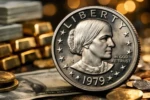
Bicentennial Quarter Value Comparison
The table below shows approximate values for 1976 Bicentennial quarters based on type, mint mark, and grade.
| Coin Type | Mint Mark | Grade | Estimated Value |
|---|---|---|---|
| Clad Business Strike | No Mint Mark | MS-65 | $5 – $25 |
| Clad Business Strike | D Mint Mark | MS-67 | $200 – $800 |
| 40% Silver Uncirculated | S Mint Mark | MS-68 | $1,000 – $5,000 |
| Silver Proof Deep Cameo | S Mint Mark | PR-70 | $10,000 – $50,000 |
| Double Die Error Clad | D Mint Mark | MS-66 | $50,000 – $200,000 |
| Wrong Planchet Error | Various | MS-63+ | $300,000 – $550,000 |
How to Check Your Coin
Before spending money on professional grading, the wisest first step is to carefully examine your 1976 Bicentennial quarter at home. Use a magnifying glass or loupe to examine both the front and back for any signs of doubling on the lettering and design elements. Check the coin’s edge—the silver version will have a solid silver edge, rather than the copper-nickel sandwich seen on clad coins. Weigh the coin using an accurate digital scale, as counterfeit coins often vary slightly from the standard 5.67-gram weight. If anything looks odd or out of place, have it examined by a professional immediately.

Where to Sell High-Valuable Coins
Finding the right marketplace ensures you get the maximum price for a rare and valuable quarter. Major auction houses like Heritage Auctions and Stacks Bowers regularly showcase rare coins and attract serious bidders worldwide. Online platforms like eBay can work for low-priced coins, but extremely rare pieces may not fetch much. Coin shows offer direct access to knowledgeable dealers who can quote a fair price on the spot. Always consider multiple offers before selling, and never rush into a transaction involving a high-value numismatic item.
Common Misconceptions
Many people believe that a 1976 Bicentennial Quarter, even if slightly worn or oddly visible, is automatically worth thousands of dollars. The reality is that most of these coins, even in good condition, are only worth the face value or slightly more. Discoloration, scratches, and environmental damage are not mint defects and do not increase the value. Social media posts often exaggerate coin prices to generate engagement, leading to false excitement among hopeful collectors. Educating yourself from reputable numismatic sources saves you from frustrating and costly mistakes.
Conclusion
The 1976 Drummer Boy Bicentennial Quarter is an exciting combination of American history and rare coin collecting. While most examples are common and low-priced, coins with special errors and top-grade silver proofs are truly worth life-changing sums. Valuations of $550,000 for the rarest coins reflect the extreme scarcity and strong collector demand. Taking the time to carefully examine your coins, have them professionally graded, and sell through reputable channels gives you the best chance of achieving a good return. With patience and knowledge, that common-looking coin in your pocket may be anything but common.