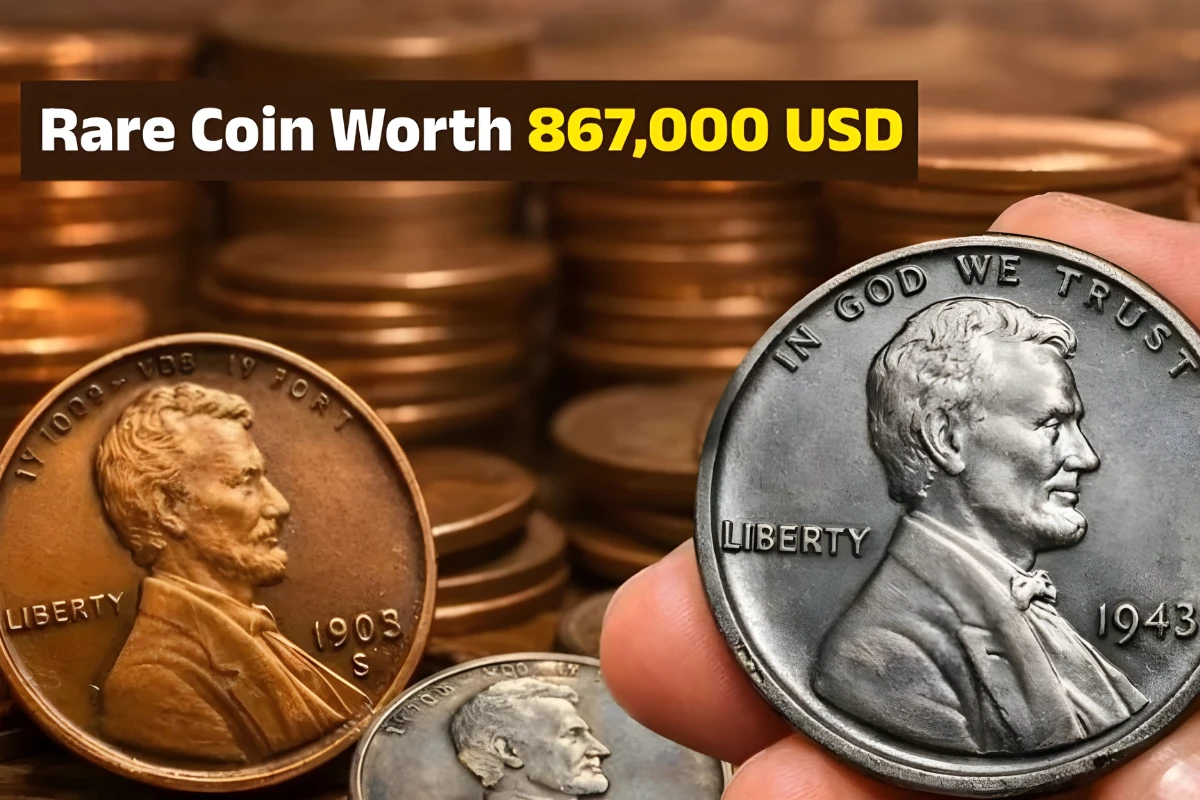
The Lincoln Wheat Penny is one of the most famous coins in American coin history, and some rare versions have fetched exorbitant prices. Recently, a particular coin made headlines by selling for $867,000 at auction, astonishing both collectors and casual observers. These small copper coins, originally worth just one cent, have become life-changing treasures for those lucky enough to own them. Understanding why these pennies are so valuable can help you identify if you might have one hidden in your own collection.
Historical Background
The Lincoln Wheat Penny was first minted in 1909 to commemorate President Abraham Lincoln’s 100th birthday. Its obverse featured two stalks of wheat, earning the coin its beloved nickname among collectors and enthusiasts. This design continued until 1958, when it was replaced by a design depicting the Lincoln Memorial. During those decades, millions of pennies were minted, but only a few possessed the rare qualities that made them so valuable.
What Drives Value
Several unique factors determine why some Lincoln Wheat Pennies command prices far above their face value. Minting errors, very low production numbers, and excellent preservation grades are the main value drivers collectors look for. A coin graded MS-67 or higher by a professional grading service can be worth many times more than a lower-grade coin from the same year. The combination of a rare date, a unique mint mark, and near-perfect condition creates the perfect environment for record-breaking auction results.
The Rarest Well-Known Varieties
The 1909-S VDB Penny is considered the crown jewel of a Wheat Penny collection, due to its limited mintage of just over 484,000 coins. The 1914-D and 1922 plains are equally in demand, and surviving coins in top condition regularly sell for six figures. Double die errors, off-center strikes, and incorrect planchet errors add another layer of rarity, driving prices even higher. This $867,000 sale illustrates how premium-condition rarities, known to be genuine, can completely shatter previous price records.
How to Identify
To identify a valuable Lincoln Wheat Penny, it’s important to look for the date on the obverse and the mint mark below the date. The S mint mark indicates San Francisco, the D indicates Denver, and coins without the mark were minted in Philadelphia. Viewing the coin under magnification can reveal doubling, die cracks, or other flaws that are invisible to the naked eye. Before investing in a professional authentication service, consulting a reliable coin grading reference guide is an important first step.
Getting Coins Graded
Professional coin grading is the most important step in determining the true market value of a rare penny. Services like PCGS and NGC authenticate, grade, and store coins in tamper-evident holders, significantly increasing buyer confidence. A professionally graded coin almost always sells for a higher price than a raw, ungraded coin of the same quality. Submitting your coin through an authorized dealer ensures that the process will be handled securely and the results will be recognized in the worldwide collector marketplace.
Conclusion
The $867,000 Lincoln Wheat Penny sale is a powerful reminder that great value can be hidden in even the most commonplace places. Whether found in an inherited coin jar or in a pocket, these old cents surprise and reward attentive collectors. Knowledge, patience, and a keen eye are your greatest weapons in the search for penny treasures. Take the time to carefully examine your old pennies, because the next record-breaking coin may be just what you hold.