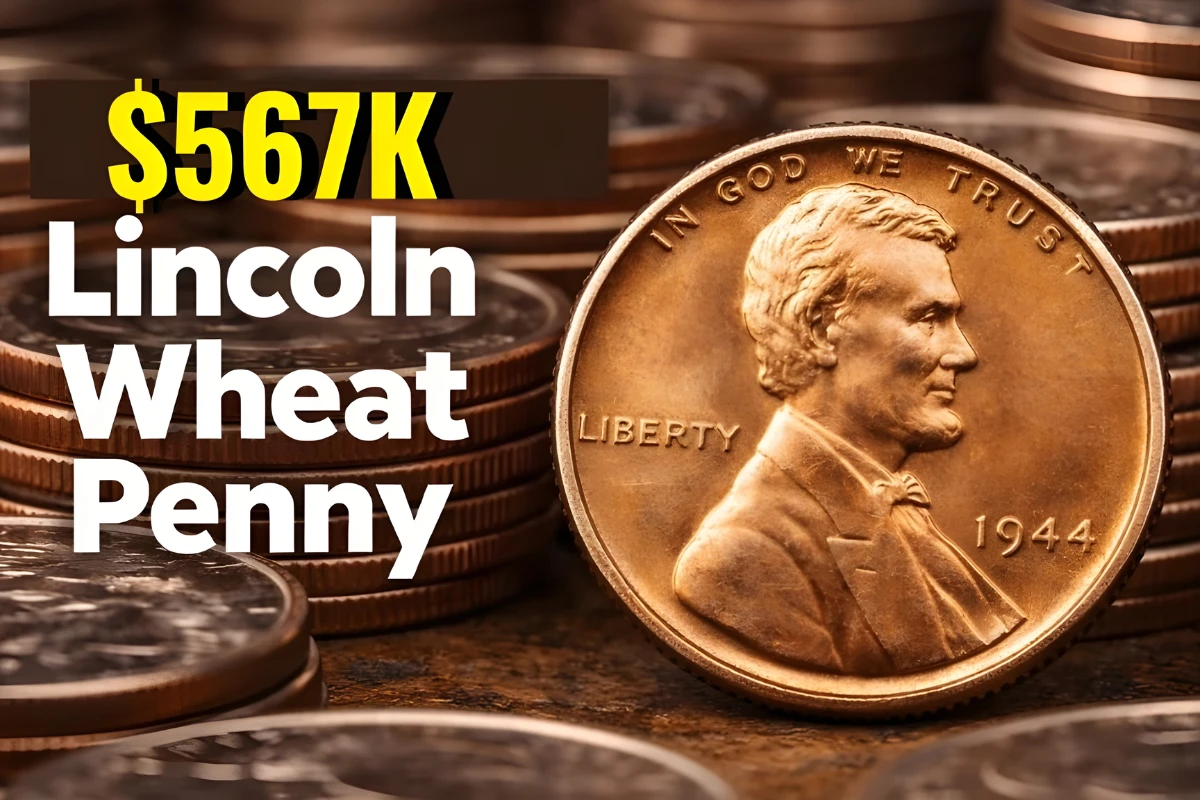
The Lincoln Wheat Penny is one of the most famous coins in U.S. coin history, attracting both collectors and treasure hunters. Minted between 1909 and 1958, this small copper coin has become a symbol of hidden wealth. Recently, a rare coin sold for an astonishing $567,000, causing a stir in the coin collecting community. Understanding why certain pennies are so valuable begins with learning the full story behind this famous coin.
Historical Background
The Lincoln Wheat Penny was introduced in 1909 to commemorate President Abraham Lincoln’s 100th birthday. It was the first U.S. coin to feature a portrait of a real person, rather than the symbolic design of Lady Liberty. The reverse of the coin features two stalks of wheat, giving the coin its popular nickname. Victor David Brenner designed the coin, and his initials spell out “U.S.” This sparked one of the most controversial controversies in the mint’s history.
What Makes It Rare
Not every Lincoln wheat penny has a special value—rarity depends on mint errors, low mintage years, and unique characteristics. The most valuable specimens include error coins, off-center strikes, and double-die varieties that escaped quality control. The 1943 copper penny, accidentally minted during the wartime steel transition, is one of the most valuable coins. These unearthed treasures are what transform a common cent into a six-figure collectible.
$567,000 Valuation
The astonishing $567,000 sale price reflects a perfect combination of rarity, condition, and collector demand. This particular penny was graded in near-perfect condition, a factor that significantly increases the price. Professional grading services evaluate coins on a 70-point scale, and coins graded MS-65 or higher fetch premium prices at auction. When extreme rarities receive exceptional preservation, the result is a record-breaking sale that demonstrates the value of a penny.
Identifying Precious Pennies
Knowing how to identify a valuable Lincoln wheat penny can turn a find in your pocket into a life-changing discovery. Start by looking at the date and mint mark, as years like 1909-S VDB, 1914-D, and 1922 plain are the most sought-after. Examine the coin carefully for any duplicate letters, off-center marks, or unusual coloring that could indicate a rare error. A jeweler’s loupe and a reliable coin value guide are essential tools for any serious search.
Where to Find Them
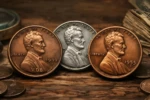
Lincoln wheat pennies can still be found in old coin jars, estate sales, antique shops, and in inherited collections passed down through generations. Bank coin rolls are also surprisingly another good source, as unsorted pennies sometimes contain specimens dating back to 1959. Flea markets and garage sales remain a goldmine for collectors willing to put in the effort. Online auction platforms have also made it easier to find raw, ungraded coins, which may hold hidden premium value.
Selling and Grading
Once a rare penny is identified, professional grading is the most important next step before selling. Services like PCGS and NGC authenticate and grade coins, providing a certified value that buyers can fully trust. A graded coin in a protective slab consistently sells for significantly more than an ungraded coin. Auction houses specializing in rare coins provide the highest visibility and competitive bidding environment to maximize sale values.

Conclusion
The $567,000 Lincoln Wheat Penny proves that even the most common items can hold extraordinary value. Whether inherited, exchanged, or deliberately discovered, these coins represent an exciting combination of history and financial opportunity. Proper identification, professional grading, and strategic selling are the keys to maximizing value. The next fateful penny may already be quietly lurking in someone’s forgotten coin jar.